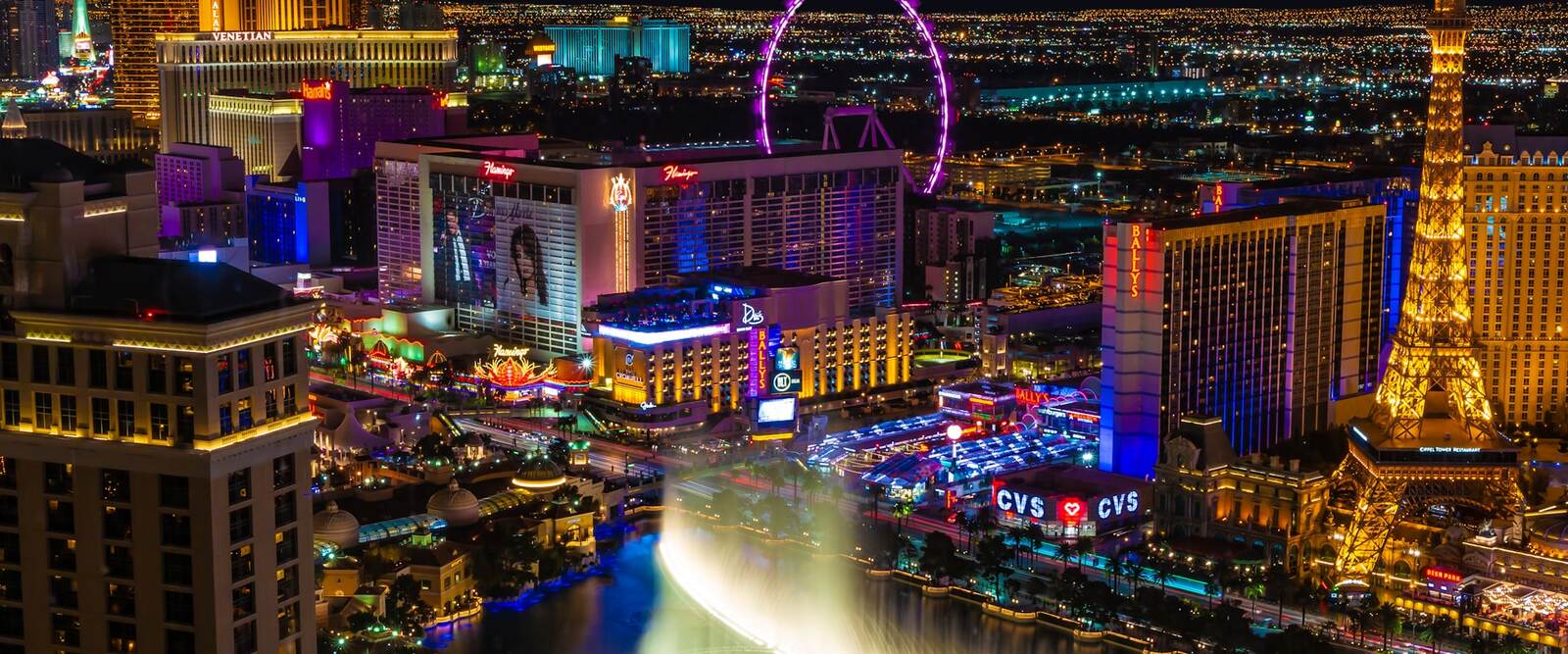
Your First Time in Las Vegas: The Complete Guide

Las Vegas can be overwhelming for first-time visitors. The city is designed to dazzle, entertain, and yes, separate you from your money. But with proper preparation, you can have an incredible experience without breaking the bank or making rookie mistakes. This guide covers everything you need to know before your first Vegas adventure.
In This Guide
Before You Go: Planning Your Trip
A successful Vegas trip starts with good planning. Here's what you need to consider before booking your flight.
When to Visit: Vegas is a year-round destination with distinct seasonal advantages:
- Best Weather (October-April): Comfortable temperatures in the 60s-80s. Pool weather ends in late September.
- Best Deals (July-August, December excluding holidays): Hot summer months and early December offer lower room rates.
- Busiest Times: New Year's Eve, March Madness, major conventions (CES in January), and holiday weekends command premium prices.
- Pool Season: March through October, with peak pool party action May through September.
How Long to Stay: For a first visit, 3-4 nights is ideal. This gives you enough time to see the major sights, catch a show, and experience the casino atmosphere without exhaustion. Vegas can be tiring - the walking, late nights, and sensory overload take a toll.
Where to Stay: Your hotel choice significantly impacts your experience:
- Mid-Strip (Bellagio, Caesars, Paris, Venetian): Central location, easy walking to everything. Higher prices.
- South Strip (MGM Grand, Park MGM, Mandalay Bay): Near the airport, good value. Longer walks to mid-Strip attractions.
- North Strip (Wynn, Encore, Venetian): Upscale properties, slightly less crowded.
- Downtown/Fremont Street: Lower prices, vintage Vegas vibe, less crowded. Requires transportation to the Strip.
What to Pack:
- Comfortable walking shoes - you'll walk 5-10 miles per day
- Layers - casinos are aggressively air-conditioned
- Nice outfit for shows or upscale dining
- Sunscreen and sunglasses for daytime activities
- Portable phone charger
- Cash for tips and small purchases
Resort Fees: The Hidden Cost
Almost every Vegas hotel charges a mandatory 'resort fee' on top of the room rate. These fees typically range from $30-50 per night and cover amenities like WiFi, fitness center access, and pool access that many hotels elsewhere include for free.
Resort fees are not included in the advertised room rate. A room listed at $150/night might actually cost $200/night after the resort fee. Always factor this into your budget.
Some casinos don't charge resort fees: The D and Fremont in Downtown, and off-Strip locals casinos like those run by Station Casinos. If budget is a concern, consider these options.
Navigating the Las Vegas Strip
The Las Vegas Strip is approximately 4.2 miles long, and distances are deceiving. What looks like a short walk between two casinos can easily take 20-30 minutes when you factor in crossing streets, navigating casino floors, and dealing with crowds.
Getting From the Airport:
- Rideshare (Uber/Lyft): $15-25 to the Strip, $20-30 to Downtown. Pickup is on Level 2 of the parking garage at Terminal 1, or the rideshare lot at Terminal 3.
- Taxi: $20-30 to the Strip with a flat fare zone system. Convenient but slightly more expensive than rideshare.
- Shuttle Services: $8-15 one-way with multiple stops. Good for budget travelers with flexible schedules.
- Rental Car: Generally not recommended unless you're exploring outside Vegas. Parking fees add up ($18-25/day at most Strip hotels).
Getting Around the Strip:
- Walking: The most common method. Allow extra time and wear comfortable shoes.
- Monorail: Runs behind the east side of the Strip from MGM Grand to the LVCC. $5 single ride, $15 day pass. Useful but doesn't cover the whole Strip.
- Free Trams: Connect Bellagio-Vdara-Park MGM, Excalibur-Luxor-Mandalay Bay, and Treasure Island-Mirage-Venetian.
- Rideshare: Convenient for longer distances or late nights. Expect surge pricing during busy times.
- Deuce Bus: The 2-story public bus runs the length of the Strip. $8 day pass, but slow due to traffic and stops.
Strip Navigation Tips:
- Use pedestrian bridges to cross the Strip - jaywalking is dangerous and ticketed.
- Cut through casinos to stay in air conditioning.
- The Strip runs slightly northwest-southeast, not north-south. 'North' Strip is actually northwest.
- Use landmarks: The Eiffel Tower (Paris), Bellagio fountains, and the Venetian's tower are visible from long distances.
Understanding Casino Basics
For first-time visitors, casino floors can be intimidating. The noise, the crowds, and the unfamiliar games create sensory overload. Here's what you need to know to navigate with confidence.
The Casino Layout: Casinos are intentionally designed to keep you inside. There are no windows, no clocks, and the layout is often maze-like. Use your phone's compass or memorize landmarks to find your way.
Slot Machines: The most accessible games for beginners. Insert cash or a ticket, choose your bet amount, and press spin. Modern slots are mostly digital and require no skill - outcomes are determined by random number generators the moment you press spin.
- Penny slots aren't actually pennies - minimum bets are often $0.30-1.00 per spin
- Higher denomination machines ($1+) typically have better payout percentages
- Join the casino's players club before playing to earn rewards on your play
Table Games: These require understanding rules and procedures. For beginners:
- Blackjack: Best for beginners. Goal is to beat the dealer without going over 21. Look for tables with low minimums ($10-15) and ask the dealer for help - they'll guide you.
- Roulette: Simple betting. Pick a number or color and wait for the wheel to spin. Easy to understand but high house edge.
- Craps: Complicated but exciting. Start with the Pass Line bet and watch others to learn the flow.
Casino Etiquette:
- Don't hand money directly to the dealer - place it on the table
- Don't touch your bet once cards are dealt
- Use hand signals (not words) to indicate hit/stand in blackjack
- Tip dealers occasionally, especially on big wins
- Don't give unsolicited advice to other players
Players Clubs: Every casino has a loyalty program. Sign up before you gamble - it's free and you'll earn points toward free play, dining credits, and room discounts. Your play is tracked by inserting your card in slot machines or giving it to table game dealers.
Setting a Gambling Budget
Before you hit the casino floor, decide exactly how much you're willing to lose. This is your entertainment budget - like money you'd spend on concerts or shows.
A common approach: Divide your trip gambling budget by the number of sessions you plan to play. If you budget $500 for gambling over 4 days, that's $125 per session. When that session bankroll is gone, stop. Walk away and enjoy other Vegas activities.
Never chase losses. Never dip into money meant for other expenses. Never borrow money to gamble. If you feel out of control, free resources are available through the Nevada Council on Problem Gambling (1-800-522-4700).
Dining in Las Vegas
Las Vegas has transformed into a world-class dining destination. Celebrity chefs, innovative concepts, and incredible variety make Vegas a food lover's paradise at every price point.
Buffets: The classic Vegas dining experience. Today's buffets are smaller, more expensive, and higher quality than the all-you-can-eat spreads of the past.
- Bacchanal Buffet (Caesars Palace): Widely considered the best on the Strip. Over 250 dishes. $70-95 depending on day/meal.
- Wicked Spoon (Cosmopolitan): Modern approach with individual portions. Great brunch.
- The Buffet at Bellagio: Classic high-end buffet with excellent seafood.
- Garden Buffet (South Point): Off-Strip locals' favorite. Much cheaper than Strip options.
Quick Service & Casual ($10-30):
- Food courts in almost every casino
- In-N-Out near the Strip
- Shake Shack, Eggslut at Venetian
Mid-Range Dining ($30-75):
- Mon Ami Gabi (Paris) - French bistro with Strip-side patio
- Hash House A Go Go - Massive portions, great breakfast
- Nacho Daddy - Great Mexican and margaritas
Fine Dining ($100+):
- Joel Robuchon (MGM Grand) - Most decorated restaurant in Vegas
- SW Steakhouse (Wynn) - Overlooking the Lake of Dreams
- Carbone (Aria) - Italian-American in a glamorous setting
Dining Tips:
- Make reservations for popular restaurants
- Lunch is often cheaper than dinner at the same restaurant
- Check OpenTable for last-minute availability
- Venture to Chinatown for incredible Asian cuisine at lower prices
Shows, Entertainment & Nightlife
Vegas entertainment goes far beyond gambling. From Cirque du Soleil to comedy clubs to superstar residencies, there's something for every taste.
Cirque du Soleil Shows: Vegas is Cirque's home base with multiple permanent shows:
- 'O' (Bellagio): Aquatic masterpiece, considered the best. $150-450.
- Michael Jackson ONE (Mandalay Bay): High-energy tribute. $100-250.
- The Beatles LOVE (Mirage): Psychedelic experience set to Beatles music. $100-200.
- KA (MGM Grand): Epic battle story with martial arts. $90-220.
- Mystere (Treasure Island): The original Vegas Cirque. $80-150.
Other Shows:
- Blue Man Group (Luxor) - Interactive percussion show
- Absinthe (Caesars) - Adults-only circus/burlesque, hilarious
- Penn and Teller (Rio) - Magic legends
Free Entertainment:
- Bellagio Fountains - Shows every 15-30 minutes
- Fremont Street Experience - Massive LED canopy with hourly shows
- Mirage Volcano - Erupts nightly
- Wynn Lake of Dreams - Water show with projections
Nightlife:
- Top Nightclubs: XS (Wynn), Omnia (Caesars), Hakkasan (MGM Grand)
- Cover charges: $50-100+ for men, often free/reduced for women
- Dress code: Upscale casual minimum. No sneakers or shorts.
- Most clubs don't fill up until midnight or later
Money, Budgeting & Avoiding Pitfalls
Vegas is designed to part you from your money. With awareness and planning, you can have an amazing time without financial regret.
Sample Daily Budget (Mid-Range):
- Hotel: $150-250/night (including resort fee)
- Food: $75-125/day
- Entertainment/Shows: $100-200/day
- Gambling: Variable - set your own limit
- Transportation: $20-40/day
- Drinks/Tips/Misc: $50-100/day
- Total: $400-700/day (excluding gambling losses)
Saving Money:
- Visit during weekdays - everything is cheaper
- Book hotel + flight packages for better rates
- Eat off-Strip for significantly lower prices
- Take advantage of happy hours
- Use your players club for casino comps
Common Ripoffs to Avoid:
- Strip club 'free limo' rides - you'll be pressured into expensive services
- People handing you things on the street - they want tips
- Timeshare presentations - 'free' tickets that cost hours
- Casino ATMs - $5-8 fees. Use hotel front desk or off-Strip ATMs
- In-room dining - huge markups plus service charges
Tipping Guidelines:
- Dealers: $5-10/hour of play, or make bets for them
- Cocktail servers: $1-2 per drink
- Valets: $2-5 when your car is returned
- Housekeeping: $2-5/night, left daily
- Restaurants: 18-20% standard
Frequently Asked Questions
What is the drinking/gambling age in Las Vegas?
Both the drinking age and gambling age in Nevada are 21. You will be carded, so bring valid ID (driver's license or passport). Minors can walk through casinos but cannot stop at gaming areas.
Are drinks really free in casinos?
Yes, complimentary drinks are served to active gamblers. Cocktail servers will come around to slot machines and table games. Tip $1-2 per drink. However, 'free' drinks can get expensive if you're losing at the tables. Pace yourself.
How much cash should I bring?
Bring enough for your gambling budget plus emergencies. Credit cards work everywhere for non-gambling expenses. For gambling, bring cash - casino ATM fees are $5-8, and credit card cash advances have even higher fees plus interest.
Is it safe to walk the Strip at night?
The Strip itself is well-lit, heavily patrolled, and generally safe. Stay on main paths, use pedestrian bridges, and be aware of your surroundings. Avoid poorly lit side streets. Downtown is safe near Fremont Street but can get sketchy a few blocks away.
Should I rent a car?
For a first visit focused on the Strip, no. Parking fees are expensive ($18-25/day), traffic is heavy, and everything is walkable with rideshare as backup. Consider renting for day trips to the Grand Canyon or Valley of Fire.
When are the Bellagio fountains?
The fountains run every 30 minutes from 3pm-8pm Monday-Friday, every 15 minutes from 8pm-midnight. Weekends start at noon every 30 minutes, then every 15 minutes from 8pm-midnight. Shows last about 5 minutes.
Covers Vegas travel and hospitality for VegasCasinoDirectory. Focuses on making the city work for first-timers, families, and budget travelers.
Related Guides
Featured Casinos
Explore More Guides
Master every aspect of Las Vegas with our comprehensive guide library.